


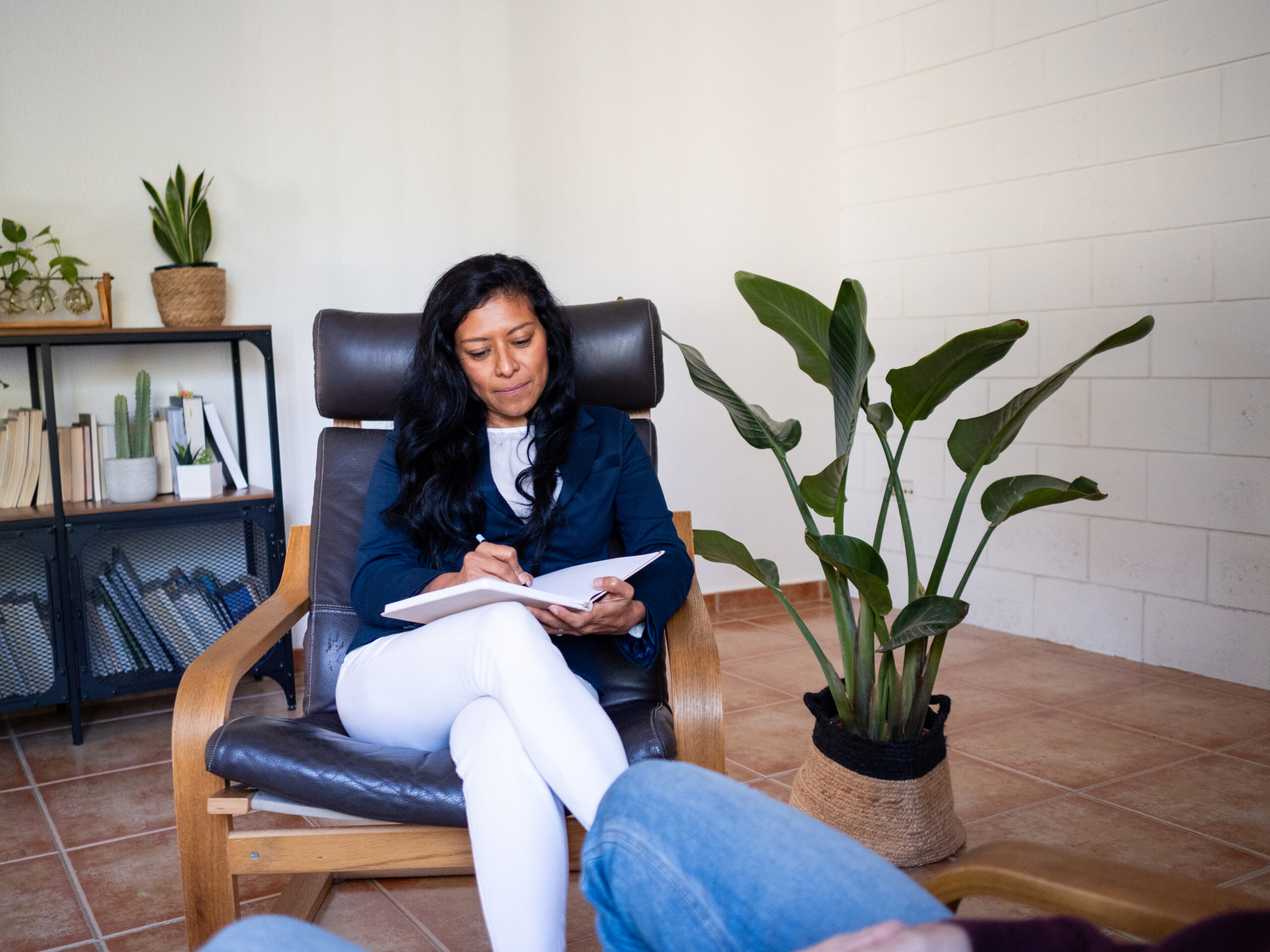
Incorporating natural elements into a therapy space can have a subtle but powerful impact on the client experience. From indoor plants to natural textures and earthy colour palettes, these design choices can help create a calming, grounded atmosphere that supports the therapeutic process.
Bring the Outdoors In
Indoor plants don’t just add life to a room — they also help purify the air and soften clinical spaces. Even a single potted fern or peace lily on a windowsill can make a room feel more welcoming.
Choose Organic Materials
Wooden furniture, woven baskets, linen cushions, and natural fibre rugs all contribute to a tactile, earthy feel. These elements create warmth and help reduce the formality of the space, making it easier for clients to settle in.
Embrace Earth Tones
Neutral colour palettes inspired by nature — think soft greens, warm sands, and muted greys — can help reduce visual noise and promote a sense of ease. These tones work especially well in therapy rooms where overstimulation can be counterproductive.
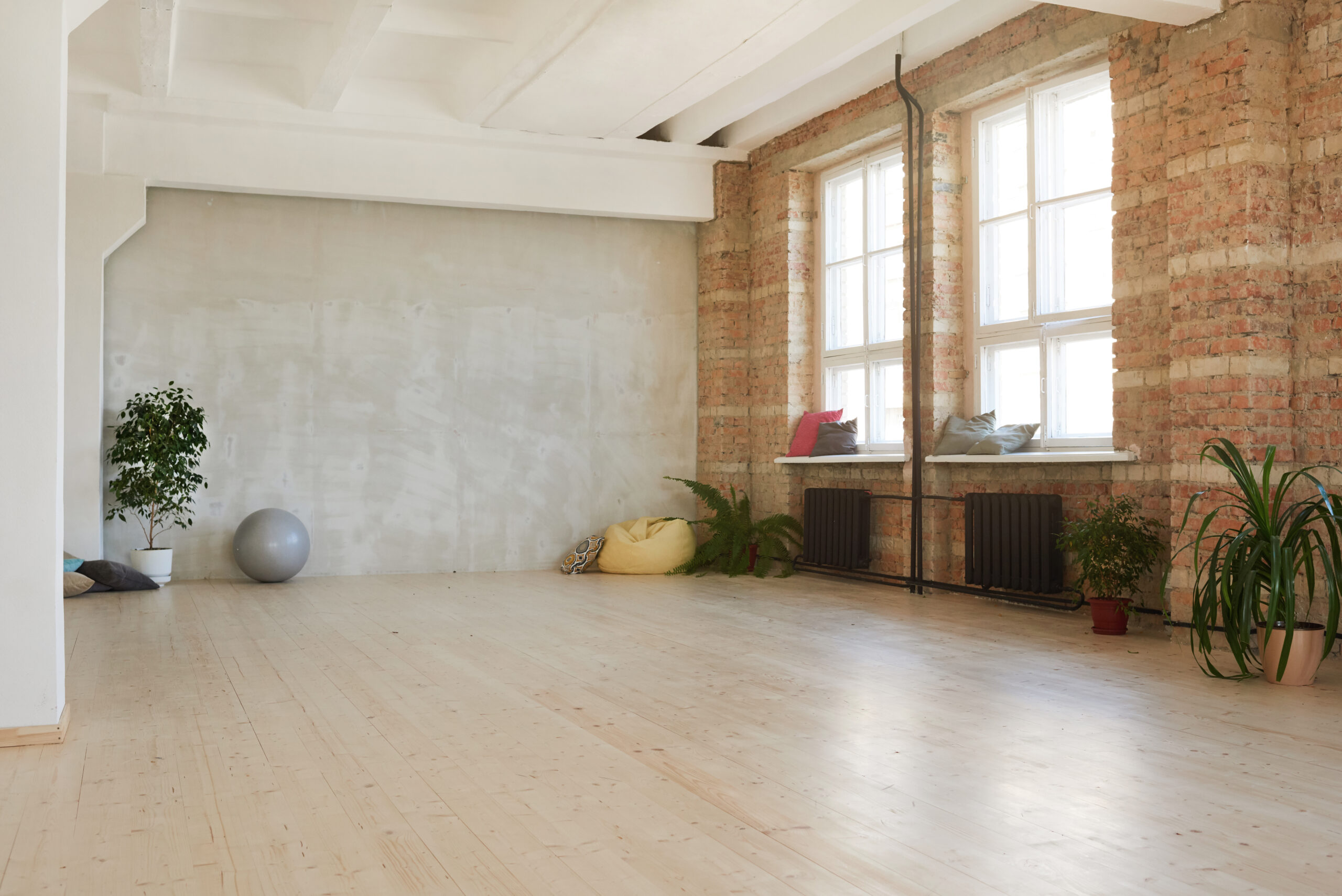
Use Natural Light Where Possible
A well-lit room can feel more open and safe. If privacy is a concern, sheer curtains or frosted glass can help diffuse light while still maintaining a sense of connection to the outside world.
Keep It Simple
Natural elements should enhance the space, not overwhelm it. A clutter-free layout, simple decorative pieces, and intentional placement go a long way toward creating a peaceful and functional environment.
When thoughtfully applied, natural elements can turn an ordinary room into a restorative space — one that supports both the client’s comfort and the therapist’s presence.
0 Comments